Can Dogs Have Cinnamon? Safety, Risks, Benefits, and Vet Advice
Yes, dogs can have small amounts of cinnamon, but it’s not as simple as sprinkling it in their bowl. Cinnamon is not toxic to dogs the way xylitol or grapes are, but that doesn’t make it automatically safe in all forms or amounts. The type of cinnamon, how much your dog eats, and their size all matter quite a bit.
If you’re here because your dog just got into some cinnamon, scroll down to the “What To Do” section. If you’re wondering whether to add it to your dog’s food, keep reading — there’s real nuance here worth understanding.

What Is Cinnamon, and Why Do Dog Owners Ask About It?
Cinnamon is a spice made from the dried inner bark of Cinnamomum trees.
It shows up in everything from morning oatmeal to holiday baking, which is exactly why dog owners find themselves asking this question, a curious dog has a way of getting into whatever smells interesting on the kitchen counter.
There are two main types you’ll encounter:
Ceylon cinnamon (sometimes called “true cinnamon”) and Cassia cinnamon, which is the variety most commonly sold in grocery stores in North America.
The distinction matters more for humans than dogs, but it’s worth knowing.
Is Cinnamon Safe for Dogs?
Cinnamon is generally considered non-toxic to dogs by the ASPCA. That’s the good news. The more practical reality, though, is that “non-toxic” and “safe to eat freely” are two very different things.
Small amounts of cinnamon, think a pinch or less, are unlikely to cause any harm to a healthy adult dog. The concern kicks in when dogs eat larger amounts, inhale cinnamon powder, or get into cinnamon essential oil, which is a different situation entirely.
Dog size plays a significant role here.
A teaspoon of cinnamon that barely registers for a 90-pound Labrador could cause real discomfort for a 10-pound Chihuahua. Always think in proportion.
Is Cinnamon Toxic to Dogs?
Cinnamon itself is not classified as toxic to dogs. However, cinnamon essential oil is a different story, it’s highly concentrated and can cause toxicity even in small amounts.
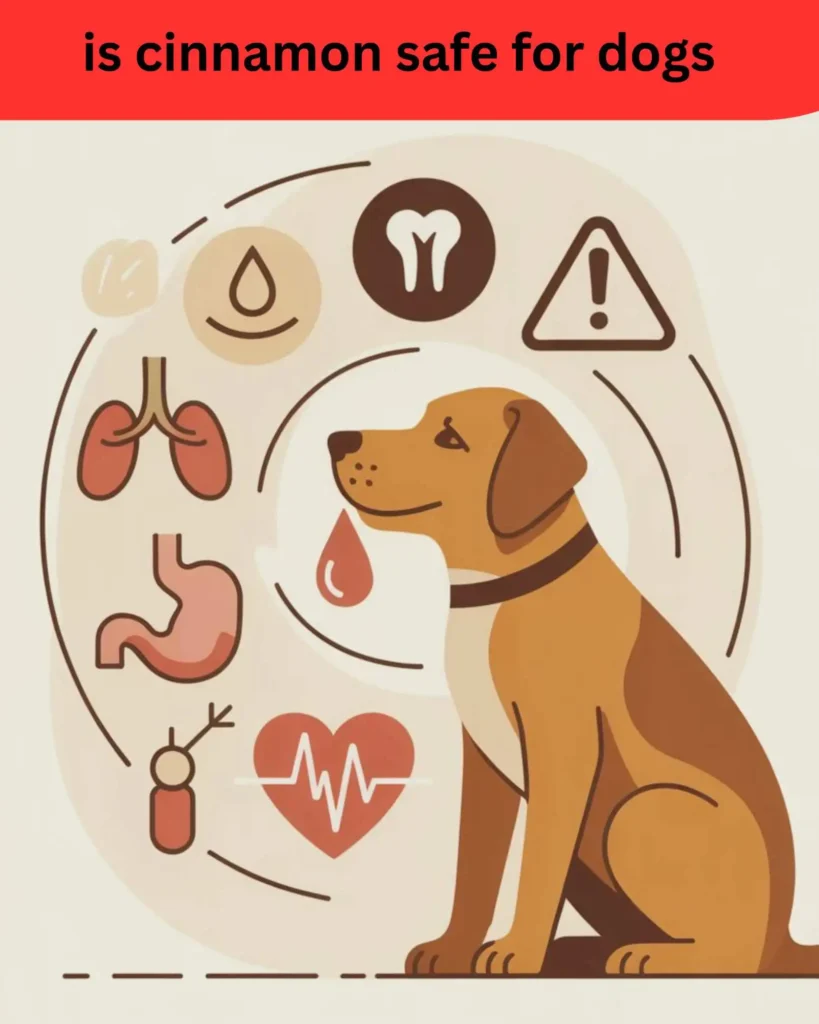
Cinnamon oil can irritate a dog’s mouth, skin, and digestive system, and in larger exposures may affect heart rate and blood sugar.
Cinnamon powder, when inhaled (which can happen if a dog gets their nose into a spice jar or sniffs cinnamon sticks), can cause coughing, choking, and respiratory distress.
Dogs have sensitive airways, and inhaled spices are genuinely irritating.
The compound responsible for most of cinnamon’s health properties, and some of its risks, is cinnamaldehyde.
It’s what gives cinnamon its characteristic smell and flavor, and it’s also a mucous membrane irritant in higher concentrations.
Potential Benefits of Cinnamon for Dogs
Some pet owners and holistic veterinarians have pointed to potential benefits of cinnamon for dogs, though it’s important to be clear: the evidence in dogs is limited, and most research comes from human or animal lab studies.
That said, here’s what has been discussed:
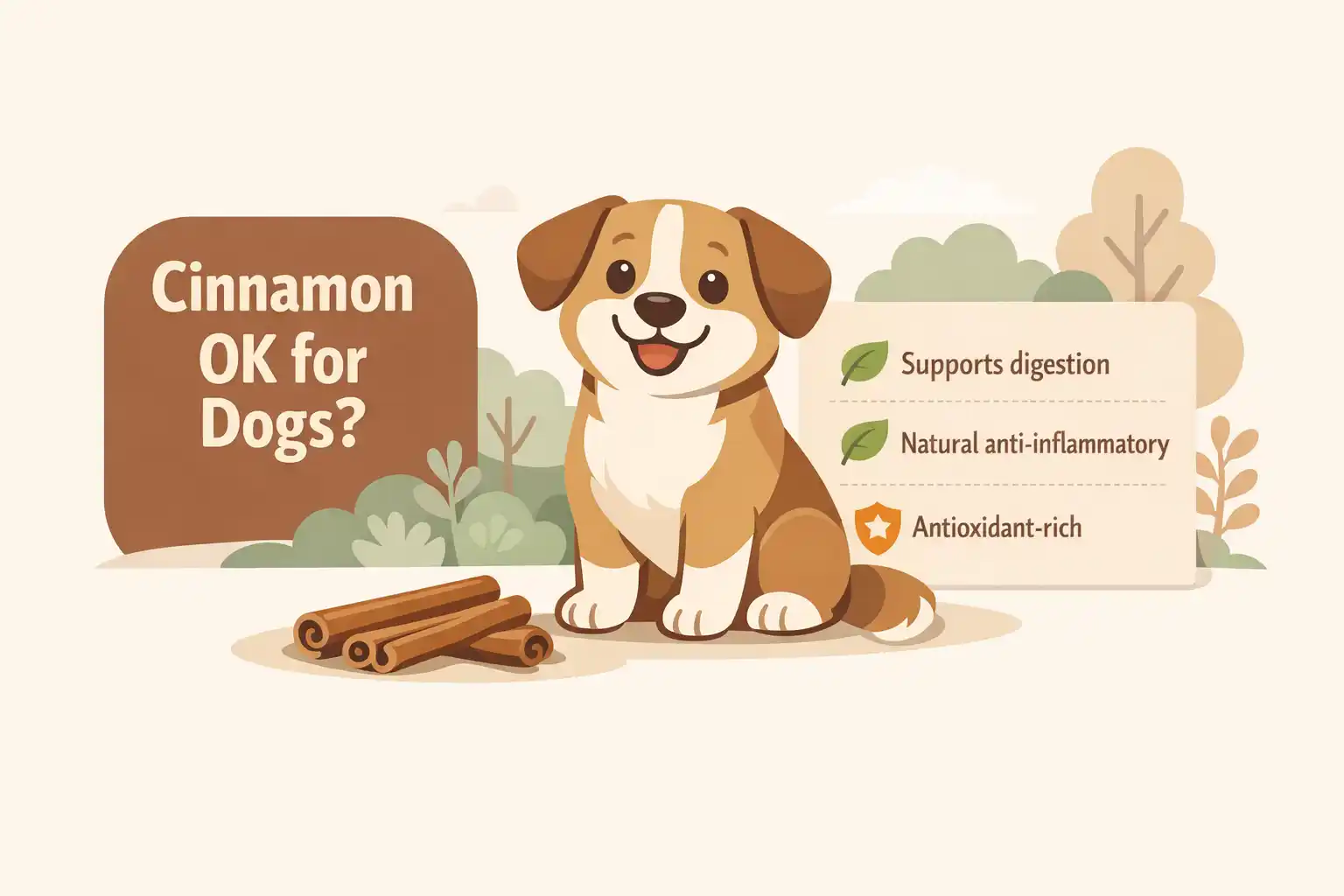
Anti-inflammatory properties. Cinnamon contains compounds that may help reduce inflammation. For dogs with arthritis or joint discomfort, some holistic vets have mentioned cinnamon as a supportive addition, but never as a replacement for veterinary treatment.
Blood sugar regulation. Cinnamon may help moderate blood sugar spikes. Some pet owners with diabetic dogs have asked about this, but any dietary changes for diabetic dogs should always go through your vet first.
Antimicrobial properties. Cinnamon has shown some antimicrobial activity in studies, which is interesting but not a practical reason to feed it to your dog.
Brain function. A few small studies have explored cinnamon’s potential role in cognitive support, though nothing conclusive exists for dogs.
None of these potential benefits are strong enough to make cinnamon a recommended supplement. If you’re interested in anti-inflammatory support for your dog, your vet has much better-studied options available.
Risks and Side Effects of Cinnamon in Dogs
Even though cinnamon isn’t toxic, there are real risks worth knowing:
Mouth and digestive irritation. Cinnamon can irritate a dog’s mouth, gums, and stomach lining. You might notice excessive drooling, pawing at the mouth, vomiting, or diarrhea after your dog eats cinnamon.
Respiratory issues. Inhaled cinnamon powder is genuinely dangerous. It can cause coughing, choking, difficulty breathing, and bronchospasm. Keep spice jars secured and out of reach.
Skin irritation. If your dog gets cinnamon essential oil or even cinnamon powder on their skin, it can cause irritation and a burning sensation.
Low blood sugar (hypoglycemia). In larger amounts, cinnamon may lower blood sugar. For healthy dogs this is less of a concern, but for dogs already on diabetes medication or with underlying conditions, it could be problematic.
Liver damage at high doses. Cassia cinnamon contains coumarin, which in very high doses can stress the liver. This is more of a concern with chronic exposure than a single accidental eating.
How Much Cinnamon Is Safe for Dogs?
There’s no officially established safe dose from veterinary organizations, but general guidance from pet nutrition experts suggests:
| Dog Size | Generally Considered Safe |
| Small dogs (under 20 lbs) | ⅛ teaspoon or less |
| Medium dogs (20–50 lbs) | ¼ teaspoon or less |
| Large dogs (50+ lbs) | ½ teaspoon or less |
These amounts refer to occasional exposure, not daily supplementation. And again, these aren’t official recommendations. If you want to add cinnamon to your dog’s food regularly, talk to your vet first.
One teaspoon of cinnamon powder is often cited as the threshold where problems can begin even in medium-to-large dogs. Below that, for a one-time exposure, serious harm is unlikely.
Cinnamon Powder vs. Cinnamon Sticks vs. Cinnamon Oil: What’s the Difference?
Not all cinnamon is equal when it comes to dogs.
Cinnamon Powder
The most common form. Low amounts are unlikely to cause serious harm, but it’s easy for dogs to inhale when sniffing, which causes respiratory irritation. Keep containers sealed.
Cinnamon Sticks
Less of a respiratory risk than powder, but a dog chewing on a cinnamon stick can still get enough cinnamaldehyde to irritate their mouth. There’s also a choking risk depending on how the stick breaks apart. Not recommended as a chew toy.
Cinnamon Essential Oil
This is the one to be genuinely careful about. Essential oils are highly concentrated, cinnamon oil can be 40–70 times more potent than the dried spice. Even small amounts on skin or ingested can cause real harm.
Keep essential oils completely out of reach.
What About Cinnamon in Baked Goods and Human Foods?
This is where things get more complicated, not because of the cinnamon itself, but because of what else is in the food.
Cinnamon rolls, cinnamon raisin bread, and similar baked goods often contain ingredients that are genuinely toxic to dogs: raisins, xylitol (an artificial sweetener), nutmeg, and large amounts of sugar and fat. Cinnamon is the least of your worries in most of these foods.
Apple cinnamon snacks — same concern. Always check the full ingredient list before letting your dog try any human food.
If a dog gets a bite of plain cinnamon toast with no harmful additives, the cinnamon itself probably won’t cause serious problems. But baked goods as a category are generally poor choices for dogs, regardless of cinnamon content.
Symptoms to Watch For After a Dog Eats Cinnamon
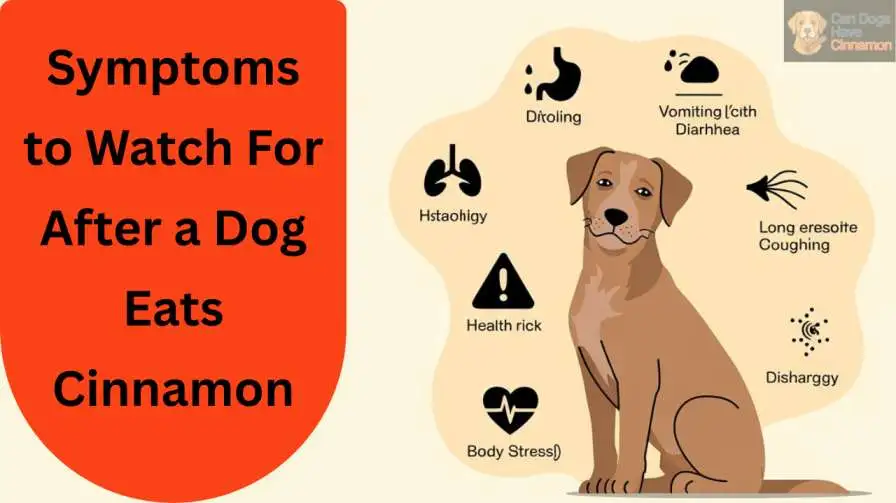
If your dog ate more than a small amount of cinnamon, or got into cinnamon essential oil, watch for these signs:
- Coughing or wheezing (especially if powder was inhaled)
- Excessive drooling
- Vomiting or diarrhea
- Redness or swelling around the mouth
- Lethargy or weakness
- Low blood sugar signs: shakiness, disorientation, collapse
- Difficulty breathing
Mild symptoms like drooling or brief vomiting after a small exposure typically resolve on their own.
Respiratory distress, collapse, or any symptoms from cinnamon oil exposure warrant an immediate call to your vet or the ASPCA Animal Poison Control Center at (888) 426-4435.
What To Do If Your Dog Eats Cinnamon
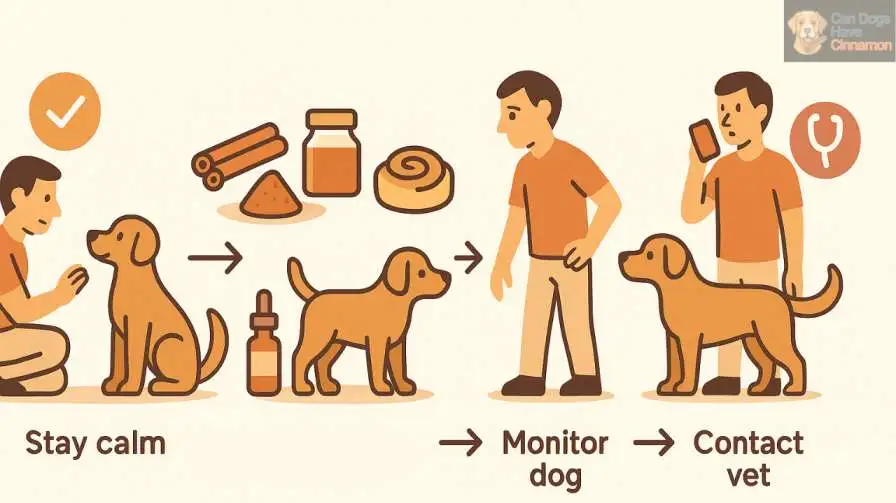
Step 1: Stay calm. A small amount of cinnamon from food is unlikely to be an emergency.
Step 2: Identify what they ate. Was it cinnamon powder in food, a cinnamon stick, a baked good, or cinnamon essential oil? Amount matters too.
Step 3: Check for symptoms. If your dog seems completely normal and ate only a small amount, monitor them for a few hours.
Step 4: Call your vet or poison control if: they ate cinnamon oil, they inhaled a significant amount of powder, they’re showing symptoms like vomiting, breathing difficulty, or lethargy, or they ate a baked good with unknown ingredients.
Do not induce vomiting unless specifically instructed to by a veterinarian or poison control.
Vet Recommendations and Safety Advice
Most veterinarians take a straightforward stance on cinnamon: it’s not something dogs need, and there are no health benefits compelling enough to recommend adding it to their diet. If your dog occasionally gets a tiny bit through shared food, don’t panic — but don’t go out of your way to give it to them either.
If you’re interested in anti-inflammatory or blood sugar support for your dog, ask your vet about options with more evidence behind them. There are veterinary-approved supplements that have been properly studied in dogs.